














Breastfeeding: Essential Benefits, Feeding Tips and Common Myths Every New Mother Should Know
1 Sep, 2026 12:18 IST|Sakshi Post


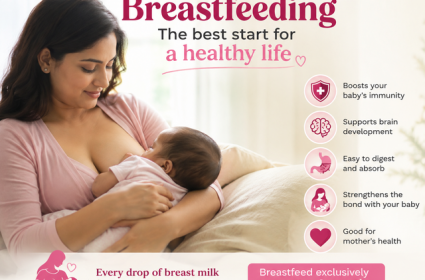
Breastfeeding is much more than providing nutrition to a newborn. Breast milk supports a baby’s growth, hydration and immune development, while breastfeeding also offers important benefits to mothers during the postpartum period.
In a recent health discussion with Sakshi Post, Dr Syed Sadiq Ali, Consultant Bariatric and Minimally Invasive Surgeon at Kamineni Hospitals, explained the importance of breastfeeding, feeding practices, common concerns and precautions for new mothers.
Why Is Breast Milk So Important for Babies?
For a newborn, breast milk is the primary source of nutrition and hydration, particularly during the first six months of life.
According to the doctor, inadequate breastfeeding can contribute to problems such as poor weight gain, dehydration and nutritional deficiencies. Breastfeeding should therefore be started as early as possible after birth.
Why the First Six Months Matter
The first six months are particularly important for an infant’s development. Exclusive breastfeeding is recommended during this period, with breast milk providing the baby with essential nutrients and fluids.
The interview also emphasised the importance of initiating breastfeeding soon after delivery, ideally within the first hour when possible.
Colostrum: The Baby’s First Milk
Before mature breast milk begins to flow, mothers produce colostrum, a thicker form of early breast milk.
The doctor explained that colostrum contains important nutrients and plays a key role during the newborn period. It provides nourishment while the baby’s body is adapting to life outside the womb.
Breast Milk and the Baby’s Immune System
Breast milk also contributes to the development of the baby’s immune protection.
The interview explained the role of antibodies in the body’s defence system. These protective components help the infant respond to harmful organisms and support the development of immune defences during early life.
What If the Mother Is Unable to Produce Enough Milk?
Some mothers may worry that their baby is not receiving enough breast milk, particularly when the baby is not gaining adequate weight.
In such situations, parents should consult a paediatrician rather than introducing other feeds on their own. If supplementation is medically necessary, the paediatrician may recommend an appropriate formula feed based on the baby’s needs.
Should Babies Be Given Water During the First Six Months?
The interview stressed exclusive breastfeeding during the first six months. Breast milk provides the baby with both nutrition and fluids during this period.
Introducing outside water unnecessarily may also increase the risk of contamination and gastrointestinal problems, particularly in young infants.
How Can Mothers Know If the Baby Is Getting Enough Milk?
One of the most common concerns among breastfeeding mothers is whether their baby is receiving enough milk.
Signs such as poor weight gain, reduced urine output and other signs of dehydration can indicate that the baby may not be receiving adequate fluids.
Regular paediatric check-ups and monitoring the baby's growth are therefore important.
Breastfeeding: Follow the Baby’s Hunger Cues
While mothers are often advised to feed babies at regular intervals, the interview emphasised responding to the baby's hunger cues rather than rigidly following a clock.
If a baby shows signs of hunger soon after a feed, the mother may breastfeed again. Breastfeeding does not necessarily have to follow a strict two-hour schedule.
What About a Baby Who Sleeps for Several Hours?
Newborns cannot communicate hunger verbally, so parents need to remain attentive to feeding patterns.
The discussion highlighted that excessive sleepiness or difficulty waking a baby should not simply be ignored, particularly when inadequate feeding or low blood sugar is a concern. Parents should seek medical advice if the baby is unusually difficult to wake or is feeding poorly.
Does the Mother’s Diet Affect Breastfeeding?
A mother’s overall nutrition and hydration are important during breastfeeding.
The doctor particularly stressed adequate hydration. Mothers can generally continue eating a balanced diet, including protein-rich foods and non-vegetarian foods if they normally consume them.
However, certain babies may have food-related sensitivities. The interview discussed cow’s milk protein allergy as one example, where symptoms in the baby may require evaluation of the mother’s diet under medical guidance.
Can Eating Oranges Cause a Baby to Catch a Cold?
The interview also addressed a common misconception that eating oranges or certain fruits while breastfeeding can cause a baby to develop a cold.
The doctor said this is unlikely and noted that oranges are a source of vitamin C. Mothers should not unnecessarily eliminate foods from their diet based on common myths unless there is a specific medical reason.
Hydration Is Important for Breastfeeding Mothers
There is no single special food that guarantees increased breast milk production. However, mothers should maintain adequate fluid intake and a balanced diet.
The doctor highlighted hydration as particularly important for breastfeeding mothers.
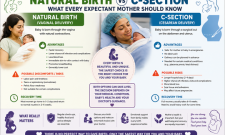
Breastfeeding After a C-Section
Mothers who undergo a caesarean section need to take additional care of their surgical wound during recovery.
The interview highlighted the importance of protecting the incision site during the first several weeks after surgery and being alert to complications. Mothers should follow their surgeon’s advice regarding physical activity, wound care and recovery.
Breast Milk for Premature Babies
Breast milk is also important for premature babies.
If the mother is producing milk, breastfeeding or providing expressed breast milk should be continued according to the baby’s medical needs. If the quantity is insufficient, supplementation may be recommended by the treating medical team.
How Long Can a Mother Breastfeed?
According to the interview, mothers who are able to continue breastfeeding may do so for up to two years along with age-appropriate complementary foods.
If breast milk production becomes insufficient, however, mothers should consult a paediatrician regarding appropriate alternatives rather than making feeding changes independently.
Breast Milk Storage for Working Mothers
Working mothers who cannot breastfeed directly can express and store breast milk for later feeding.
The interview discussed storing expressed breast milk in a refrigerator and using it appropriately before feeding the baby. It also cautioned against directly heating breast milk, as excessive heating may affect its beneficial components.
Avoid Introducing Solid Foods Too Early
One common misconception is that babies should be given other foods at three or four months because breast milk is supposedly insufficient.
The interview advised against introducing additional foods on the parents’ own initiative. If a baby is not gaining adequate weight or appears to be inadequately fed, a paediatrician should assess the baby and recommend supplementation if necessary.
Stress Can Affect Breastfeeding
Stress can influence several physiological processes in the body and may interfere with breastfeeding.
The doctor therefore advised mothers to pay attention to their own physical and emotional well-being while caring for their babies.
A Message for Breastfeeding Mothers
The key message from the discussion is that mothers should pay attention to the baby’s feeding, hydration, urine output and growth.
Working mothers can breastfeed whenever they are with their babies and use appropriately expressed breast milk when they are away. If the baby appears hungry, feeds poorly, shows reduced urine output, has poor weight gain or is unusually sleepy, medical advice should be sought.
Most importantly, mothers should not ignore their own health. Taking care of themselves is also an important part of taking care of their baby.
