








Piles in Women: Why They Happen, Pregnancy Risks, Warning Signs and How to Prevent Them
28 Aug, 2026 10:52 IST|Sakshi Post


Piles, also known as haemorrhoids, are a common anorectal problem that can affect both men and women. However, hormonal changes, pregnancy, constipation and lifestyle factors can make women particularly vulnerable. Experts stress that persistent bleeding, pain or changes in bowel habits should not be ignored.
Piles are among the common problems affecting the anal region, yet many people hesitate to discuss them openly. Constipation, prolonged straining during bowel movements, pregnancy and lifestyle-related factors can increase the risk of developing haemorrhoids.
Speaking to Sakshi Post, Consultant Ayurvedic Proctologist Dr. Sunitha Grace explained the causes, symptoms, grades, prevention and treatment options for piles, while also highlighting why women should not delay medical consultation.
What Are Piles?
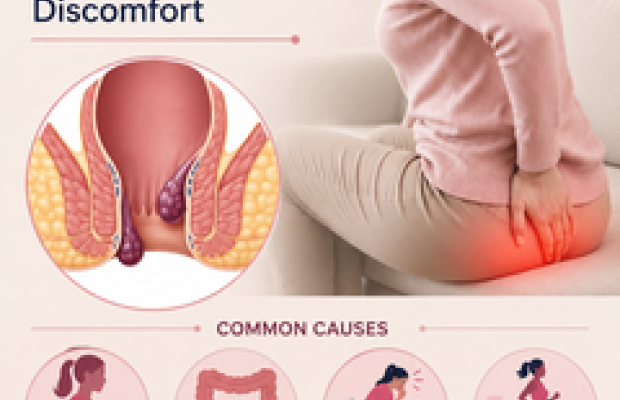
Piles, medically known as haemorrhoids, are swollen blood vessels in and around the anal canal. They are among several common anorectal conditions, along with anal fissures and fistulas.
An anal fissure is essentially a small tear or cut in the anal region. Constipation and passing hard stools are major contributing factors. Even a single episode of hard stool can sometimes cause an injury, leading to significant pain and a burning sensation.
Haemorrhoids, on the other hand, may cause bleeding, swelling, discomfort or a lump-like sensation around the anus.
What Are the Common Symptoms of Piles?
One of the most common symptoms is bleeding during bowel movements. In some cases, the bleeding may occur without pain.
Other warning signs can include:
- Blood during or around bowel movements
- Swelling around the anus
- Itching or irritation
- A lump or extra growth around the anal region
- A feeling of something protruding during bowel movements
- Pain or discomfort
- Burning sensation
- Persistent moisture or discharge around the area
However, rectal bleeding should not automatically be assumed to be caused by piles. Other conditions can also produce similar symptoms, making medical evaluation important.
Internal and External Piles: What Is the Difference?
Haemorrhoids can broadly be classified as internal or external, depending on their location.
Internal haemorrhoids develop inside the anal canal, while external haemorrhoids occur around the outside of the anus. Their symptoms can vary depending on their size, grade and duration.
Doctors generally classify internal haemorrhoids into four grades.
Grade 1
The haemorrhoids remain inside the anal canal and may cause bleeding without protruding outside.
Grade 2
They may protrude during bowel movements but usually return inside on their own after the bowel movement is completed.
Grade 3
The haemorrhoids protrude and may require gentle manual pushing to return them inside.
Grade 4
They remain outside and cannot be pushed back completely.
Bleeding may occur at any of these stages, although symptoms vary from person to person.
Why Are Piles Common During Pregnancy?
Pregnancy can increase the likelihood of constipation and haemorrhoids.
Hormonal changes during pregnancy can slow the digestive system and contribute to constipation. As the uterus grows, pressure within the pelvic region also increases, placing additional pressure on the veins around the rectal area.
Other contributing factors may include:
- Constipation
- Reduced physical activity
- Dietary changes
- Increased abdominal pressure
- Hormonal changes
- Straining during bowel movements
Many pregnant women are understandably cautious about taking medicines. However, they should not self-medicate. Any medication during pregnancy should be taken only after consulting a qualified healthcare professional.
Can Piles Get Worse After Normal Delivery?
Piles can sometimes become aggravated during childbirth, particularly when prolonged labour involves repeated pushing.
However, it is incorrect to assume that piles develop solely because of pushing during normal delivery. Pre-existing haemorrhoids may become more symptomatic because of the increased pressure during labour.
The good news is that symptoms may improve after delivery as abdominal and pelvic pressure decreases and hormonal changes begin to settle.
However, that does not mean the condition can never return. Future pregnancies, constipation, dietary habits and other lifestyle factors may contribute to recurrence.
Can Piles Occur After a C-Section?
A caesarean delivery does not completely eliminate the possibility of piles.
After surgery, reduced physical activity, constipation and the use of certain medicines can contribute to bowel-related problems. Pain and discomfort may also make a woman less physically active, which can further affect bowel movements.
Women who experience persistent constipation or rectal bleeding after childbirth should discuss the symptoms with their doctor rather than waiting for them to disappear.
Does Sitting on the Toilet for a Long Time Cause Piles?
Spending excessive time on the toilet, especially while using a mobile phone, is an increasingly common habit.
Prolonged sitting on the toilet can increase pressure around the anal region and may aggravate existing haemorrhoids. People who already have early-stage piles may find that the condition becomes more troublesome.
The toilet should be used to complete a bowel movement rather than as a place to spend long periods scrolling through a phone.
Never Ignore the Natural Urge to Pass Stool
Regularly suppressing the urge to have a bowel movement can contribute to constipation.
When stool remains in the rectum for longer periods, more water can be absorbed from it, making it harder. Passing hard stool may then require greater straining, increasing the risk of anal fissures and aggravating haemorrhoids.
This can be particularly relevant to children, students and working adults who postpone using the toilet because of school, work or other commitments.
Responding to the body's natural bowel urge is an important part of maintaining healthy bowel habits.
Why Women May Experience More Problems
Piles can affect both men and women. However, women may have additional contributing factors, particularly pregnancy and hormonal changes.
Constipation, sedentary lifestyles, dietary habits and conditions that affect metabolism may further increase the risk.
The problem is often made worse because some women delay seeking medical attention due to embarrassment.
Don't Ignore Early Warning Signs
Early symptoms may appear relatively minor. A person may notice a small lump while washing, mild irritation, itching, burning or discomfort while sitting.
If such symptoms repeatedly occur, they should not be dismissed.
Early consultation can help identify the problem before it progresses to a more severe stage.
When Should You See a Doctor?
Medical consultation is particularly important when:
- Constipation persists for several weeks
- Rectal bleeding occurs repeatedly
- A lump or growth develops around the anus
- Pain becomes sudden or severe
- Bleeding keeps recurring despite treatment
- There is unexplained weight loss
- The person develops weakness or symptoms of anaemia
- Bowel habits change significantly
Rectal bleeding should never automatically be attributed to piles. Conditions affecting the rectum or digestive tract can sometimes produce similar symptoms.
What Tests May Be Needed?
Doctors generally begin with a detailed medical history and physical examination.
Depending on the symptoms, further evaluation may include rectal examination, proctoscopy or rectoscopy. These examinations can help determine whether haemorrhoids are present and identify their grade.
In selected cases, further investigation such as colonoscopy may be recommended to identify other possible sources of bleeding or abnormalities in the intestine.
Persistent bleeding, especially when accompanied by unexplained weight loss or anaemia, requires proper medical evaluation rather than prolonged self-treatment.
Does Every Case of Piles Require Surgery?
No. Treatment depends on the grade, severity and symptoms.
Early-stage haemorrhoids can often be managed with dietary changes, bowel-habit modification, medicines and other conservative measures.
More advanced cases may require procedures or surgery. The appropriate treatment should be determined after proper examination rather than choosing a treatment solely because it is perceived as faster or less invasive.
Ayurveda and Piles: What Treatment Options Are Available?
Ayurveda places considerable emphasis on prevention, lifestyle modification and addressing contributing factors such as constipation.
According to Dr. Sunitha Grace, Ayurvedic management may include dietary and lifestyle changes, appropriate medicines and selected procedures depending on the condition.
One procedure discussed in Ayurvedic practice is Kshara Karma, in which a specially prepared medicated alkaline formulation is applied to selected haemorrhoidal tissue. Another procedure, Kshara Sutra, uses a medicated thread and is primarily associated with the management of fistula-in-ano rather than routine piles.
The suitability of any Ayurvedic procedure depends on the patient's diagnosis and severity. It should be performed by a properly qualified practitioner.
Can Diet Help Prevent Constipation and Piles?
Diet plays an important role in maintaining regular bowel movements.
A balanced diet should include adequate fibre from natural sources such as:
- Vegetables
- Fruits
- Whole grains
- Other fibre-rich foods suited to the individual's dietary needs
Adequate fluid intake is also important.
Instead of suddenly switching to a highly restrictive or specialised diet, dietary changes should generally be introduced gradually and appropriately.
Highly processed and ready-to-eat foods should not become the mainstay of the diet.
Does Spicy Food Cause Piles?
Spicy food does not automatically cause piles.
However, some people—particularly those with anal fissures or existing anorectal irritation—may experience increased burning or discomfort after consuming very spicy foods.
Therefore, completely eliminating spicy food is not necessary for everyone. Individual tolerance and existing symptoms should be considered.
Can Excess Tea and Coffee Affect Bowel Health?
Excessive consumption of tea and coffee may affect bowel habits in some individuals, particularly when it is accompanied by inadequate fluid intake or an otherwise unbalanced diet.
Moderation is advisable, especially for people who notice that excessive caffeine consumption worsens their constipation or digestive symptoms.
Exercise, Sleep and Stress Also Matter
Bowel health is not determined by diet alone.
A sedentary lifestyle can contribute to constipation and other digestive problems. Regular physical activity, adequate sleep and stress management can support overall digestive health.
Walking, appropriate exercise, yoga and breathing practices may be incorporated into a healthy lifestyle according to individual needs and medical advice.
Avoid Self-Medication
One of the major concerns highlighted by the doctor is the increasing tendency to purchase medicines based on social media advice or over-the-counter recommendations.
Some people repeatedly use laxatives or other constipation medicines to ensure that they can pass stool, while ignoring the underlying cause of their symptoms.
Long-term or inappropriate use of medicines can potentially cause problems and may mask an underlying condition.
The key is to identify and address the root cause of constipation, rather than becoming dependent on medication for bowel movements.
Bleeding Stops—Does That Mean the Piles Are Gone?
Not necessarily.
Bleeding may stop temporarily even when haemorrhoids are still present. If constipation or straining occurs again, symptoms may recur.
Therefore, disappearance of bleeding should not always be considered proof that the underlying problem has completely resolved.
Breaking the Embarrassment Around Piles
Experts emphasise that piles and other anorectal problems should not be treated as embarrassing or shameful conditions.
Women, in particular, may tolerate symptoms for years—sometimes beginning during pregnancy—before finally seeking treatment.
Delaying consultation can allow a relatively manageable problem to become more complicated.
There is no reason to feel ashamed about discussing constipation, bleeding, pain or changes around the anal region with a qualified doctor.
Key Takeaway
Piles are common, manageable and treatable, but they should not be ignored.
Adequate fibre, sufficient fluids, regular physical activity, responding to the natural urge to pass stool, avoiding prolonged toilet sitting and managing constipation can help maintain healthy bowel habits.
Most importantly, recurrent rectal bleeding, persistent constipation, severe pain, unexplained weight loss or anaemia should prompt medical evaluation.
Whether conventional medical treatment or an Ayurvedic approach is considered, the priority should be an accurate diagnosis and treatment plan from a qualified healthcare professional.
Piles may be a sensitive subject, but seeking timely medical advice is far better than silently suffering for years.
