







Sanae Takaichi: From Heavy Metal Drummer to Japan’s First Female ‘Iron Lady’ PM
5 Oct, 2025 11:39 IST|Sakshi Post


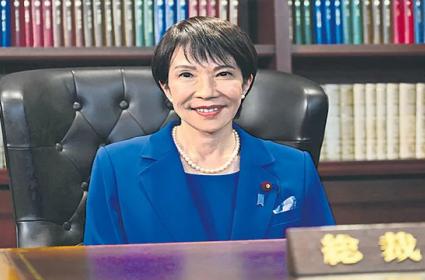
Sanae Takaichi has made history by becoming the new president of Japan’s ruling Liberal Democratic Party (LDP) on October 4, 2025, propelling her toward becoming the country’s first female prime minister.
Her victory in a runoff against Shinjiro Koizumi reflects a shift to more conservative politics within the party amid economic uncertainties, regional security pressures, and declining public support.
Takaichi’s ascent comes at a critical juncture for Japan when the LDP-led coalition has lost its majority in both houses, and the party faces the challenge of restoring voter confidence. She inherits a party and nation seeking direction on inflation, demographic decline, defense, and foreign relations.
10 Things to Know About Sanae Takaichi
- Veteran LDP Politician & Conservative Stalwart
Takaichi, born in 1961, has long been associated with the conservative wing of the LDP and is seen as a disciple of the late former prime minister Shinzo Abe.
- First Female Leader of the LDP
Her election marks the first time a woman has headed Japan’s dominant political party — a breakthrough in a male-dominated political system.
- Won a Runoff Against Shinjiro Koizumi
In the leadership contest, she defeated Shinjiro Koizumi 185 votes to 156 in the runoff.
- Positions on Social Issues: Conservative & Traditional
She opposes same-sex marriage and separate surnames for married couples, and supports the male-only imperial succession.
- On Defense and Article 9
Takaichi supports constitutional revision of Japan’s pacifist Article 9, advocating a more robust military posture.
- Japan-U.S. Alliance & Asia Strategy
She emphasizes strengthening the Japan–U.S. alliance and expanding Japan’s role in a free and open Indo-Pacific, including partnerships with Australia, South Korea, and the Philippines.
- Economics: Abenomics Continuation with Fiscal Support
She aligns with Abe-era economic policies (Abenomics), advocating monetary easing and substantial fiscal stimulus, but has tried to moderate rhetoric.
- Dovish on Diplomatic Rhetoric
During the leadership race she toned down her more strident nationalist statements and downplayed some controversial historical positions, seeking to present herself as a “moderate conservative.”
- Affiliations & Historical Views
She is connected to the ultra-nationalist group Nippon Kaigi, has visited the Yasukuni Shrine, and has questioned the established narratives on Japan’s wartime conduct.
- Personal Background & Past Interests
In her youth, she played drums, loved motorcycling, and listened to rock music. She also commuted long hours to university. Previously, she also worked as a TV host. Her videos from a performance during a TV show are now going viral on social media platforms.
Sanae Takaichi: Views on Key Policy Issues
- Immigration & Foreign Workers
Takaichi has advocated stricter control over immigration, cautioning against accepting people with vastly different cultural backgrounds. She is seen as appealing to more nationalist voters worried about workforce and identity issues.
- Gender & Social Policy
Although she is the first woman to lead the LDP, she has shown little inclination to push liberal gender reforms. Critics argue her views may reinforce traditional roles rather than expand rights.
What Japan Expects from Her as the First Female Prime Minister
Japan now watches closely what Takaichi will deliver. Her leadership is symbolic — breaking the glass ceiling in a country long criticized for its low ranking in gender equality — but symbolic power must translate to effective governance.
She must reignite economic growth, curb inflation, manage Japan’s aging population, and restore trust in the LDP. With weakened legislative majorities, she will need cross-party cooperation and credible policy delivery.
On social issues, many will test whether she uses her historic status to champion gender and equality reforms — or sticks to conservative norms.
On foreign policy and security, the world expects her to balance assertiveness (especially toward China, Taiwan, and regional threats) with diplomatic prudence, strengthen alliances (notably with the U.S.), and navigate historic tensions with neighbors.
If she manages to combine firmness with flexibility, Takaichi could reshape Japan’s next decade. But failure to deliver meaningful reform risks backlash, especially among younger and more progressive voters in a changing world.
For Takaichi, her goal is to become the Iron Lady.
