

















Petrol, Diesel Price Cut: Will Fuel Prices Fall in India? Minister's Latest Statement
16 Nov, 2026 12:57 IST|Sakshi Post


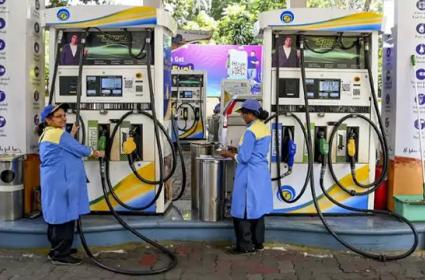
Motorists across the country hoping for a reduction in petrol and diesel prices may have to wait longer, as no immediate relief appears to be on the cards. Uncertainty in the international oil market and mounting financial losses faced by public-sector oil marketing companies have emerged as major hurdles to a fuel price cut.
With oil companies reportedly facing losses of around 42,000 crore, Union Minister of State for Petroleum and Natural Gas Suresh Gopi has indicated that reducing fuel prices at this stage is not feasible. His remarks have sparked discussions across the country, particularly among consumers awaiting relief from rising fuel costs.
Mounting Financial Pressure on Oil Companies
India relies on imports to meet more than 85 per cent of its crude oil requirements. Ongoing geopolitical tensions and the conflict-like situation in West Asia have significantly disrupted international oil supply chains. Disruptions along transportation routes have increased crude oil procurement and operational costs considerably.
Despite the rise in import expenses, public-sector oil marketing companies, including Indian Oil Corporation (IOC), Bharat Petroleum Corporation Limited (BPCL) and Hindustan Petroleum Corporation Limited (HPCL), have continued to keep retail fuel prices stable to prevent an additional financial burden on domestic consumers. This has placed considerable financial pressure on these companies.
However, further clarification is required on the 42,000 crore loss figure cited by the minister, particularly regarding the financial period it covers and the basis on which the losses were calculated. Officials quarterly financial reports from the respective companies are expected to provide greater clarity on these figures.
Center's Previous Tax Cuts Focused on Compensating Oil Companies Rather Than Reducing Retail Fuel Prices.
Union Minister of State for Petroleum and Natural Gas Suresh Gopi had earlier clarified in the Lok Sabha that petrol and diesel prices in India are determined by market-based mechanisms. The Centre stated that a decline in international crude oil prices does not necessarily translate into an immediate reduction in domestic fuel prices. Instead, oil marketing companies take pricing decisions based on their previous losses, including under-recoveries, prevailing supply conditions and the existing tax structure.
Meanwhile, on March 27, 2026, when international crude oil prices increased , the Central Government reduced excise duty on petrol and diesel by 10 per litre each. However instead of passing on the entire benefit to consumers through lower retail prices, the relief was utilised to help oil marketing companies recover their financial losses.
