





Muhurat Trading 2025 on October 21: Timings, Holiday Schedule, Market Session Details Out
20 Oct, 2025 15:55 IST|Sakshi Post


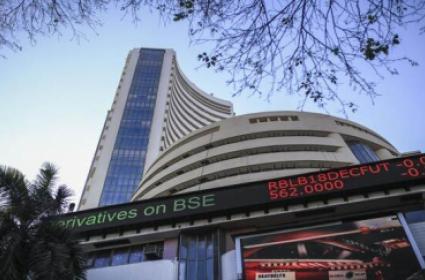
As India gears up for Diwali celebrations, the country’s financial markets are preparing for one of their most symbolic annual traditions — Muhurat Trading. This one-hour special trading session marks the beginning of Samvat 2082, the new Hindu financial year, symbolizing prosperity, optimism, and fresh beginnings for investors.
Muhurat Trading 2025: A Sacred Financial Ritual
Both the National Stock Exchange (NSE) and the Bombay Stock Exchange (BSE) will open their floors exclusively for this auspicious session. Regular trading will remain closed on October 21 for Diwali Laxmi Pujan and on October 22 for Balipratipada. Normal market operations will resume on Monday, October 20.
Trading Timings and Session Details
This year, the Muhurat Trading session will take place from 1:45 PM to 2:45 PM, marking a shift from recent years when the ritual was held in the evening.
Trade modification window: Up to 2:55 PM
Segments open for trade: Equities, Futures and Options (F&O), Commodity Derivatives, Currency Derivatives, and Securities Lending & Borrowing (SLB).
The Significance of Muhurat Trading
The word Muhurat originates from Sanskrit, meaning “auspicious hour.” For decades, Dalal Street has observed this ritual as a spiritual and financial celebration — a symbolic new start blending faith with finance. Investors believe that trades made during this sacred window attract good fortune and prosperity throughout the year.
A Tradition Steeped in Optimism
Historically, Muhurat sessions have often ended on a positive note. The BSE Sensex has recorded gains in 14 out of the last 18 sessions, including an impressive 5.86% rise in 2008 during the global financial crisis. In 2024, the Sensex continued its winning streak, closing 335 points (0.42%) higher.
Though trading volumes remain low and volatility high during this one-hour window, the spirit of Muhurat Trading lies not in profit, but in renewal, optimism, and the symbolic act of beginning the year on an auspicious note.
